| Casinò | Sala | Valutazione | Bonus | Gioca |
|---|---|---|---|---|

|
William Hill Casinò | 5/5 | 300€ | Gioca Adesso Visita il sito |

|
Sisal Casinò | 3/5 | 150€ | Gioca Adesso Visita il sito |

|
Unibet Casinò | 3/5 | 100€ | Gioca Adesso Visita il sito |

|
Gioco Digitale Casinò | 3/5 | 200€ | Gioca Adesso Visita il sito |
Poker tells every player should know
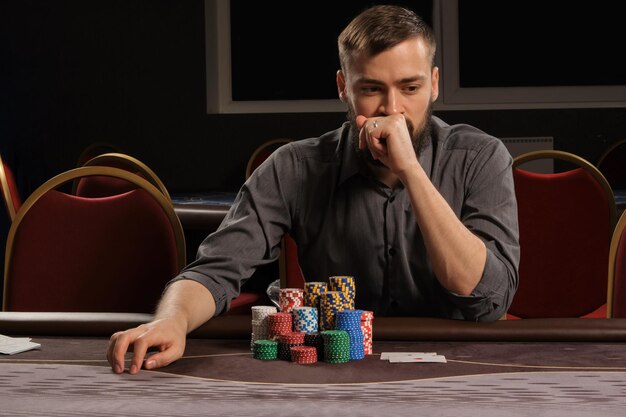
Pay attention to body language at the poker table; it speaks volumes. Subtle shifts in posture, fidgeting, or eye contact can indicate a player’s strength or weakness. For instance, a player who leans back while playing may feel confident, while someone who leans forward might be more uncertain or bluffing. Observe these physical cues closely to gain an edge in the game.
Understanding the intricacies of poker tells can significantly enhance your gameplay and decision-making. Every player exhibits subtle cues, from body language to facial expressions, that can provide insight into their mental state. For instance, recognizing the difference between confident and unsure players can be pivotal. A relaxed posture and steady gaze may indicate strength, while fidgeting or closed-off body language often suggests uncertainty. By learning to interpret these signals, you can effectively assess your opponents and formulate your strategy accordingly. For a deeper dive into these concepts, check out fridayroll-online.com for valuable insights on enhancing your poker skills.
Eyes reveal much in poker. A player's gaze can hint at their hand strength. Those avoiding eye contact might be trying to conceal a bluff, while a player who maintains steady eye contact could be demonstrating confidence in their hand. Watch for patterns over time; consistent behaviors can give away more than you realize.
The timing of actions at the table can also be revealing. Quick bets often signify strength, while prolonged hesitation may suggest uncertainty. A player who suddenly raises the bet after a long pause might be bluffing, or they might have a strong hand. Knowing how to interpret these timing cues can provide a significant advantage as you assess your opponents’ actions.
Sound is another element to consider. The tone and volume of a player’s voice when they speak can indicate their emotional state. A shaky voice may suggest nerves, while a steady tone often indicates confidence. Listen carefully as the game progresses, and you might uncover valuable insights into each player's mindset.
Body Language Cues That Indicate Confidence or Weakness
Confident players tend to have an open posture. Observe how they sit at the table. A player leaning back, with arms uncrossed, communicates assurance. They may also maintain steady eye contact, signaling they are comfortable with their position. This kind of body language can indicate a strong hand or a readiness to engage further.
In contrast, players displaying weakness often exhibit closed body language. Look for players who cross their arms or legs, as this can suggest they are guarded and unsure. Frequent fidgeting or tapping can indicate nervous energy, hinting at uncertainty about their cards. These behaviors may suggest they are bluffing or holding a less favorable hand.
Pay attention to facial expressions. Confident players might show relaxed features, occasionally smiling or displaying calmness. On the other hand, players who are feeling pressure may furrow their brows or exhibit tight lips, which often signals hesitation or fear regarding their situation.
Hand movements can also be revealing. Confident individuals might rest their hands on the table or casually gesture while speaking. Weak players may keep their hands close to their bodies or hide their cards, which can indicate a lack of certainty about their position in the game.
Watch for the tempo of their actions. A confident player often makes decisions quickly, displaying decisiveness. Conversely, uncertainty leads to hesitation. If a player takes a long time to act or frequently changes their mind, they may be struggling with their conviction.
Lastly, consider the relationship of their breathing to their actions. Calm, controlled breaths signal confidence and poise. Rapid or shallow breathing indicates stress, potentially revealing weakness. Both the visual and physical cues build a clearer picture of a player's state of mind at the poker table.
Facial Expressions to Watch for During Betting Rounds
Pay attention to a player's eyes. When someone feels confident, their gaze tends to be steady and direct. On the contrary, darting eyes or excessive blinking may signal uncertainty or a weak hand.
A slight smile can indicate a strong hand, especially if it appears unexpectedly during betting. However, a forced smile or tight lips often suggests discomfort or bluffing.
Watch for flared nostrils or tense jaw muscles. These signs often indicate stress or anxiety, which can be a giveaway of a player's hidden emotions. Relaxed facial muscles usually point towards confidence.
Observe any sudden changes in expression during crucial moments. A look of surprise might mean a player didn't expect to win the pot, while narrowed eyes can imply suspicion or calculation.
Finally, look for overall facial tension. If a player adjusts their face frequently or displays visible frustration, they might be struggling to maintain their composure, hinting at a weaker position.
Understanding Betting Patterns as a Tell for Hand Strength
Recognizing betting patterns helps you gauge your opponents' hand strength effectively. Pay attention to the size and timing of their bets. For instance, larger bets often indicate strength, while smaller, hesitant bets might suggest weakness.
- Pre-Flop Raises: A player who consistently raises pre-flop tends to have strong starting hands. Identify if they only raise certain positions, which can reveal more about their range.
- Continuation Bets: A player who makes a continuation bet post-flop usually has some connection to the board. If they bet on a dry board, it might mean they have a strong hand or are bluffing.
- Checking to the Aggressor: When a player checks after a significant bet, they could be indicating weakness or slow-playing a strong hand. Gauge their betting behavior in later streets for clarity.
Timing is crucial. An opponent who takes a long time before betting may be unsure, potentially indicating a weak holding. Conversely, a quick bet can signify confidence, often linked with strong hands.
- Monitor for patterns across multiple hands. A player who consistently mirrors these behaviors may be more predictable.
- Adjust your strategy accordingly. If you notice an opponent betting aggressively with a weak hand, consider exploiting this tendency.
Widen your observations to include all players at the table. Different betting styles contribute to a richer understanding of overall table dynamics. Always correlate past actions with current betting to improve your reads.
Physical Reactions Players Exhibit When Bluffing
Pay attention to breathing patterns. Many players exhibit shallow or rapid breathing when they attempt to bluff. This instinctive reaction often signals anxiety. Observe for any changes in breathing that suggest nervousness or excitement.
Monitor hand movements closely. A player might fidget with chips, cards, or other objects on the table. These small actions can indicate discomfort or the need to distract from their true feelings.
Watch for facial expressions. A player's face can reveal a wealth of information. Look for micro-expressions, such as a quick grimace or raised eyebrows, that might betray their confidence level. A stiff smile may hint at unease rather than genuine amusement.
Body posture plays a significant role. Players who bluff may shift in their seats, lean back too far, or become overly rigid. A relaxed posture typically indicates strength, while tense body language often suggests uncertainty.
Observe eye behavior. Frequent blinking or avoiding eye contact can indicate a player is hiding something. Long stares might appear confident, but an overly intense gaze could signal desperation.
Note changes in speech patterns. A player may speak more quickly or with a shaky voice when bluffing. In contrast, an overly calm tone can be a red flag, as it may be an attempt to mask anxiety.
Take note of sweating. Increased perspiration, particularly on the forehead or palms, can be a clear indication of stress. Players who appear unusually sweaty may be experiencing pressure from their bluff.
Recognizing these physical cues can enhance your ability to read opponents. Staying observant helps you better navigate the complexities of bluffing in poker.
Timing and Its Implications for Player Intentions
Observe the timing of bets and actions closely. A quick bet often indicates confidence, suggesting a strong hand, while a prolonged pause can signal hesitation or uncertainty. Recognizing these patterns will provide insight into your opponents' intentions.
Consider the context of the game. In early positions, players may take more time deliberating their actions, reflecting the weight of their decisions. Conversely, in late positions, swift actions may reveal a player’s comfort with the current board and their hand strength.
Watch for changes in timing throughout the game. If a normally fast player suddenly takes longer, it may indicate a shift in their hand strength or strategy. Alternatively, if a typically slow player acts quickly, they might be trying to mask a weaker hand to bluff or induce a reaction from others.
In tournament play, pressure may alter timing. Stressed players facing elimination may act hastily, while those with a comfortable chip lead may take their time to maximize their strategic advantage. Adapting your read based on the stakes and player behavior enhances your ability to predict their next move.
Leverage your own timing to throw off opponents. If you consistently act quickly, mixing in occasional deliberate pauses can confuse others about the strength of your hand. This keeps you unpredictable, making it harder for opponents to read your intentions.
Focus on the interaction between timing and other tells, such as body language or betting patterns. A quick bet followed by fidgeting might indicate nervousness, contrasting with calm movements that accompany a strong hand. Recognizing these combinations will sharpen your analytical skills.
Lastly, don’t overlook the influence of the community cards on timing. Players may adjust their behavior significantly with the reveal of high-value cards. A swift move after a strong card appears suggests aggression, while hesitation may hint at fears of drawing out someone with a stronger hand.
The Importance of Table Talk in Revealing Strategies
Engage in table talk to gather valuable information about your opponents’ thought processes. Use casual conversation to observe their reactions, which can provide insights into their strategies and confidence levels. For example, if a player becomes defensive when questioned about a hand, they might be hiding a weak hand.
Ask open-ended questions about past hands or their opinions on specific plays. This can elicit responses that reveal their playing style–aggressive, passive, or cautious. Notice how they respond to pressure. If they struggle under scrutiny or quickly change the subject, this may indicate insecurity in their play.
Pay attention to body language during conversations. Shifts in posture or eye contact can betray a player’s confidence or anxiety. Players who maintain eye contact while discussing their hands may feel sure of their actions, while those avoiding eye contact might feel uncertain.
Select your moments for table talk wisely. Use breaks between hands or non-competitive moments to foster a friendly atmosphere. This can make players more open and less guarded, increasing your chances of extracting useful information.
Finally, be conscious of how your own talking affects the game. Share certain information to create a specific image, influencing how others perceive your playing style. This strategy can mask your true intentions and keep your opponents guessing.